
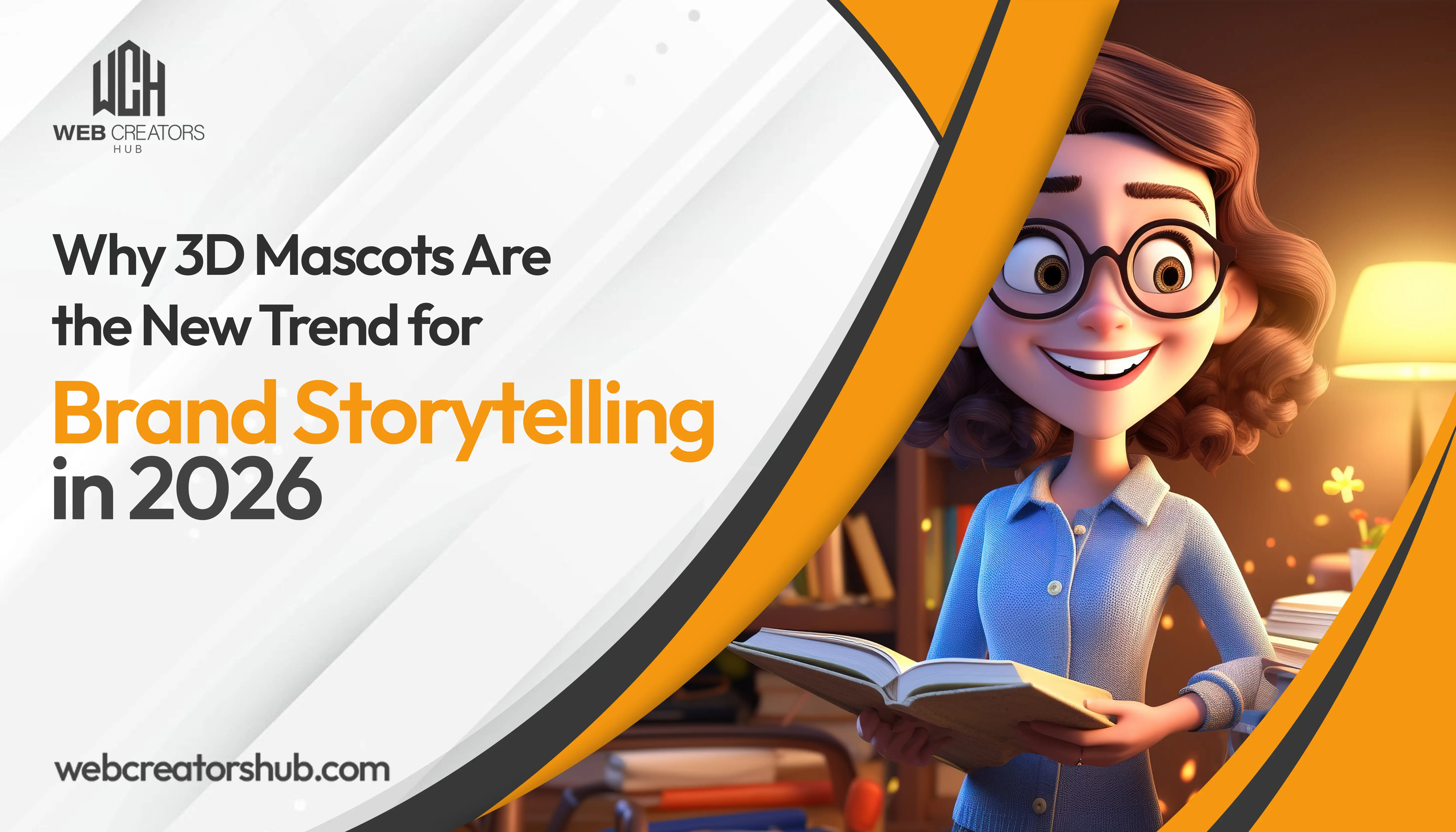
What makes you remember a brand days, or even months, after seeing it online? For most people, it’s not a logo or a slogan. It’s a character that feels familiar, expressive, and human. As audiences scroll faster and attention spans shrink, brands are facing a clear problem: how do you stay memorable without shouting? This is where 3D mascots step in. In this blog, you’ll learn why they’re becoming central to brand storytelling in 2026, how they fit modern digital behavior, and why businesses are shifting toward animated branding to build lasting connections.
Traditional branding relied heavily on flat visuals, icons, and text-heavy messaging. While these elements still matter, they often struggle to hold attention across video-first platforms. A 3D mascot changes that dynamic by adding personality and motion to a brand’s identity. Instead of explaining values through long copy, brands can show them through gestures, expressions, and short animations. This shift is especially important in brand storytelling, where emotion plays a major role. A mascot can react, guide, and even “speak” for the brand, turning abstract ideas into relatable moments.
One major reason the 3D mascot trend is growing is relatability. Well-designed characters feel approachable without being childish. They can adapt their tone for different platforms, friendly on social media, professional on websites, and engaging in product demos.
Another factor is consistency. A mascot acts as a visual anchor across campaigns. Whether it’s a short reel, a homepage animation, or an email header, the same character reinforces recognition. This consistency strengthens animated branding and helps brands stand out in crowded feeds.
Animation brings stories to life faster than text ever could in brand storytelling; timing and emotion matter. A raised eyebrow, a pause, or a simple wave can communicate trust, curiosity, or excitement instantly. This is why animated branding is becoming a standard rather than an extra.
In 2026, brands are using short-form animated content more than long explanations. A 3D mascot can introduce a product, explain a process, or react to user actions in a way that feels natural. This not only improves engagement but also makes information easier to remember.
3D mascots are especially effective across digital touchpoints where interaction matters. On websites, they can subtly guide visitors without overwhelming them. On social media, they become recurring characters people recognize instantly. In ads, they help brands communicate messages quickly without relying on heavy copy.
They also work well in emerging formats like AR previews and interactive product showcases. As technology becomes more accessible, brands that already use mascots will adapt faster than those starting from scratch.
The future of branding is not louder messaging, it’s clearer communication. A 3D mascot offers clarity by turning brand values into visible actions. Instead of telling people what a brand stands for, the mascot shows it consistently over time.
Businesses are realizing that audiences don’t just buy products; they connect with personalities. This makes mascots a long-term asset rather than a one-off design choice. Companies like Web Creators Hub are already helping brands adopt this approach by blending character design with strategic storytelling.
3D mascots have turned out to be a practical response to how people consume content. They support stronger brand storytelling, improve recall, and make animated branding feel more human and engaging. For brands looking to stay relevant and recognizable, investing in a well-crafted 3D mascot isn’t just a trend to follow; it’s a smart move toward lasting connection.
Fill out the form below, and we’ll get back to you at the earliest possible.
© Web Creators Hub . All Rights Reserved.

At Web Creators Hub, we're here to fuel your creativity and provide a helpful platform for turning your concepts into reality. Join us today!


